
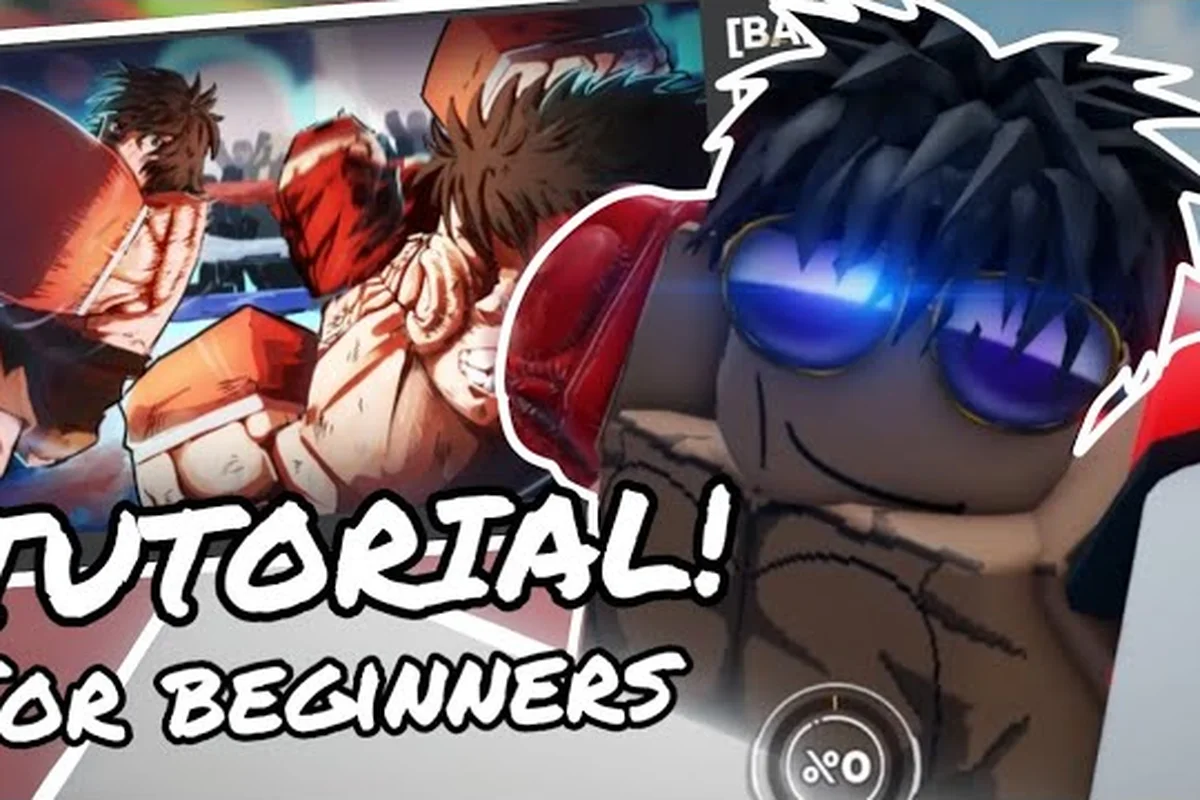
Learning the ropes in this Roblox boxing sim can feel overwhelming when you first queue into a match, because new players often jump into ranked before mastering the core untitled boxing game controls, spacing, and stamina rules that separate casuals from consistent winners. This ubg beginner guide breaks down exactly what to press, which style to pick, and which order to tackle progression so your first ten hours feel productive instead of confusing.
A smart ubg guide is really about sequencing: practice on Basic first, build Cash, spend wisely on spins and crates, and only then dip into Ranked once your fundamentals are sharp. The plan below is built from community-tested progression data, with the goal of getting you to your first comfortable win streak without burning resources on the wrong early choices.
Core Untitled Boxing Game Controls and Settings
Before anything else, lock in your untitled boxing game controls because every other mechanic in this guide depends on clean inputs. A player who fumbles their dodge button will eat stamina, lose trades, and blame the game instead of the settings menu. Spend ten minutes here, and every later session gets easier.
Default PC and Mobile Keybinds
The default scheme uses left-click or the assigned key for jab, right-click for cross, and the space bar for a quick step-back dodge. Blocking is mapped to a side key, and movement is standard WASD on PC. Mobile players get on-screen buttons that mimic the same layout, but sensitivity sliders in the settings menu can dramatically change how responsive the dodge feels, which is why the first thing any new player should do is open settings, rebind the dodge to a comfortable key, and lower camera sensitivity by roughly 10–15% to make reactive dodges easier to time.
Settings That Actually Matter Early
Three settings dominate the early experience: camera sensitivity, block-on-release toggle, and the frame-step indicator. Lower sensitivity helps you track opponent feints, block-on-release makes counters feel more natural, and the frame indicator helps you learn when your jab is safe versus punishable. According to player testing on the official Untitled Boxing Game community, most ranked players in the top brackets use sensitivity between 40–55% rather than the default 75%, and block-on-release enabled because free-form holding invites panic blocks that drain stamina.
Common Control Mistakes to Avoid
The single biggest mistake new players make is mashing the jab button while holding forward, which burns stamina, telegraphs every attack, and leaves zero room to react to a counter. A better habit is to tap jab twice, step back once, and then assess before re-engaging. Another classic error is forgetting that dodge has a brief recovery window where you cannot block, so dodging into a wall of jabs often results in two clean hits to the face instead of one.
| Setting | Default | Recommended Early | Why It Helps |
|---|---|---|---|
| Camera Sensitivity | 75% | 45–55% | Easier to track feints and counter windows |
| Block-on-Release | Off | On | Prevents stamina drain from panic-holding |
| Frame Step Indicator | Off | On | Shows safe vs. punishable jab timing |
| Mobile Button Size | Medium | Large | Reduces mis-taps during reactive dodges |
Choosing Your First Style in a UBG Guide
Style choice is the single most important early decision in any ubg guide, because switching later costs Cash and resets muscle memory. New players often pick whatever style looks coolest in the menu, then spend weeks unlearning bad habits. The smart move is to commit to Basic for your first stretch, learn the spacing, and only branch out once you can win three ranked matches in a row.
Why Basic Is the Recommended Starting Point
Basic is the most balanced style because it has average speed, range, and damage, which means every mistake you make costs a fair amount instead of being instantly punished. Faster styles amplify tiny input errors into full stamina combos, and slower styles leave you unable to punish opponents who feint well. By staying on Basic, you train clean inputs on a forgiving moveset, and the muscle memory transfers to almost every other style once you decide to branch out.
When to Consider Switching Styles
The community-recommended trigger for switching is winning roughly 80% of your matches on Basic in Ranked, which generally takes 20–30 hours depending on how often you queue. Until that point, swapping styles just for variety usually means you lose more than you learn. A useful benchmark is hitting Rank 10 consistently on Basic, because that ladder position usually means your spacing and stamina management are strong enough to survive in a different style's weaker matchups.
Style Comparison at a Glance
| Style | Speed | Damage | Stamina Cost | Beginner Friendly? |
|---|---|---|---|---|
| Basic | Medium | Medium | Medium | Yes (recommended) |
| Counter | Slow | High | High | No (punishes mistakes hard) |
| Pressure | Fast | Low | Low | No (rewarded only with perfect inputs) |
| Slugger | Very Slow | Very High | Very High | No (requires perfect spacing) |
Cash, Spins, and Crates: The Early Economy
A solid ubg beginner guide without an economy section is incomplete, because Cash is the fuel that drives every upgrade. New players who skip this step end up with a closet full of styles they never learned, a wallet full of unused spins, and a rank that refuses to climb. The fix is to treat Cash like a limited resource and spend it in a deliberate order.
Match Payout Breakdown
Each match pays a baseline of Cash that scales modestly with performance, plus a smaller bonus for knockouts and perfect rounds. According to community data, the average player earns roughly 800–1,200 Cash per match on Basic, which means about three matches fund a single spin (2,000 Cash) and four matches fund a crate (3,000 Cash). That ratio is why spam-clicking the spin button is the fastest way to bankrupt a new account.
Spend Order: Spins vs. Crates
Spins are pure gambling on a style you may not want, while crates drop guaranteed pieces for a style you already own. The community-proven early-game order is: build to 4,000 Cash, buy a single Basic crate, equip the best piece, and only after you have a full Basic set start spending on spins. This sequence keeps you competitive in Ranked while still letting you chase rare styles later.
What NOT to Spend On Early
The single worst early purchase is a Premium style spin, because Premium styles often require advanced mechanics (perfect dodges, stamina baiting) that you have not learned yet. Another trap is buying inventory slots before you have the items to fill them, which drains Cash with zero gameplay return. The third mistake is selling duplicate crate pieces, because a future update may buff a piece that today feels useless, and players who sold duplicates in early access later regretted it when the meta shifted.
| Purchase | Cost (Cash) | Early Priority | Notes |
|---|---|---|---|
| Basic Crate | 3,000 | High (first 3) | Guaranteed Basic pieces |
| Style Spin | 2,000 | Medium (after set complete) | Random style, use later |
| Premium Spin | 5,000 | Low (after Rank 15+) | High-risk, high-reward |
| Inventory Slot | 1,500 | Skip early | Only useful once inventory is full |
Ranked, Stamina, and the Winning Roadmap
The untitled boxing game roadmap from unranked to your first comfortable ladder position is the part most beginners skip, and it is also the part that decides whether you enjoy the game for weeks or quit after three days. Ranked unlocks early, but climbing it cleanly requires a plan, not just queue volume.
How Stamina Actually Works
Stamina governs your ability to attack, block, and dodge, and once it hits zero you cannot do any of the three for roughly two seconds, which is enough time for an opponent to land a clean combo. New players burn stamina by mashing, by panic-blocking, and by dodging into attacks instead of away from them. A simple rule is to never throw more than three consecutive attacks without checking your stamina bar, because four straight inputs usually puts you in the recovery window where you cannot defend.
A Step-by-Step Roadmap for the First 20 Hours
The cleanest untitled boxing game roadmap for a brand-new account looks like this: spend the first two hours in Free Play practicing jab timing and dodge recovery, queue Casual matches for the next five hours to build Cash without ladder pressure, then enter Ranked once you can win 60% of Casual matches. From hour 7 to 20, focus on climbing to Rank 10 on Basic, spend Cash on Basic crates instead of spins, and only after Rank 10 should you start experimenting with alternate styles. This sequence front-loads skill development, which is why players who follow it report smoother climbs than players who jump straight into Ranked on day one.
Benchmarks to Track
Three numbers tell you whether you are improving: win rate in Ranked, average match length, and stamina remaining at the end of each round. If win rate is climbing but match length is getting shorter, you are learning to finish faster. If stamina is consistently above 50% at round end, your defense is solid. If all three are moving in the right direction, the roadmap is working. For a deeper breakdown of how to actually outplay passive opponents once you reach mid-ladder, the passive-player counter guide covers dodge-baiting patterns in more detail.
Bleed, Hitboxes, and Common Beginner Frustrations
Several beginner frustrations are not actually about skill, but about game systems most players never read about. Hitbox overlap, latency, and the bleed mechanic all influence fights in ways that look unfair until you understand what is happening. The official Untitled Boxing Game hitbox and bleed guide breaks down the technical side, but the quick version is below.
Why You Sometimes Get Hit Through Your Block
Hitboxes in this game are slightly larger than the visible fist, and they activate a few frames before the punch lands, which means a perfectly timed block can still register a partial hit if you start the block too late. The fix is to block a step earlier than feels natural, because the game rewards anticipation over reaction in close range.
What the Bleed Mechanic Does
Bleed applies a small damage-over-time effect after a connected hit, and it stacks up to a hard cap before falling off. Against opponents who turtle, baiting a single clean hit and then waiting for bleed to tick is often more stamina-efficient than spamming into their block, which is why passive play is punished but not ignored by the system.
Dealing with Latency and Rollback
Roblox uses a client-prediction model, so on poor connections you may see a punch that visually connects but does not register on the server, which feels like the game is broken. According to community reports, switching to a wired connection, closing background downloads, and avoiding matches during peak congestion hours all noticeably reduce these phantom hits. If you want a more technical look at how latency interacts with hit registration, the advanced hitbox and settings guide explains the rollback windows in detail.
Frequently Asked Questions
What is the best style for a brand-new UBG beginner guide player?
Basic is the safest pick because it has medium speed, damage, and stamina cost, which means small input errors do not instantly cost you the round. Stay on Basic until you hit roughly Rank 10, then experiment with one new style at a time so you do not reset muscle memory.
How do untitled boxing game controls change on mobile versus PC?
PC uses left-click for jab, right-click for cross, space for dodge, and WASD for movement by default, while mobile uses on-screen buttons that mirror the same actions but allow sensitivity and button-size customization. Mobile players should bump button size to large and lower camera sensitivity, because touch inputs are less precise than keyboard taps.
When should I start spending Cash on spins in the untitled boxing game roadmap?
Save spins until you have a full Basic crate set equipped, because spinning before that point usually gives you a style you cannot afford to learn yet. Most players reach a comfortable spending point around the 15–20 hour mark, after Rank 10.
Is Ranked worth queuing in before I feel ready?
Yes, but only after you can win at least 60% of Casual matches, because Ranked uses the same matchmaker logic and just adds visible rank pressure. Treat the first ten Ranked sessions as extended practice, ignore the number, and focus on input cleanliness instead of climbing speed.
How long does the average ubg beginner guide progression take to feel comfortable?
Most players report feeling genuinely competitive after 15–25 hours, with a comfortable Basic set, a Rank 10 ladder position, and a working dodge rhythm. The fastest learners spend the first two hours in Free Play instead of jumping straight into matchmaking, because that warm-up builds the muscle memory that carries into every later match.