The Legendary Layer of UBG Styles
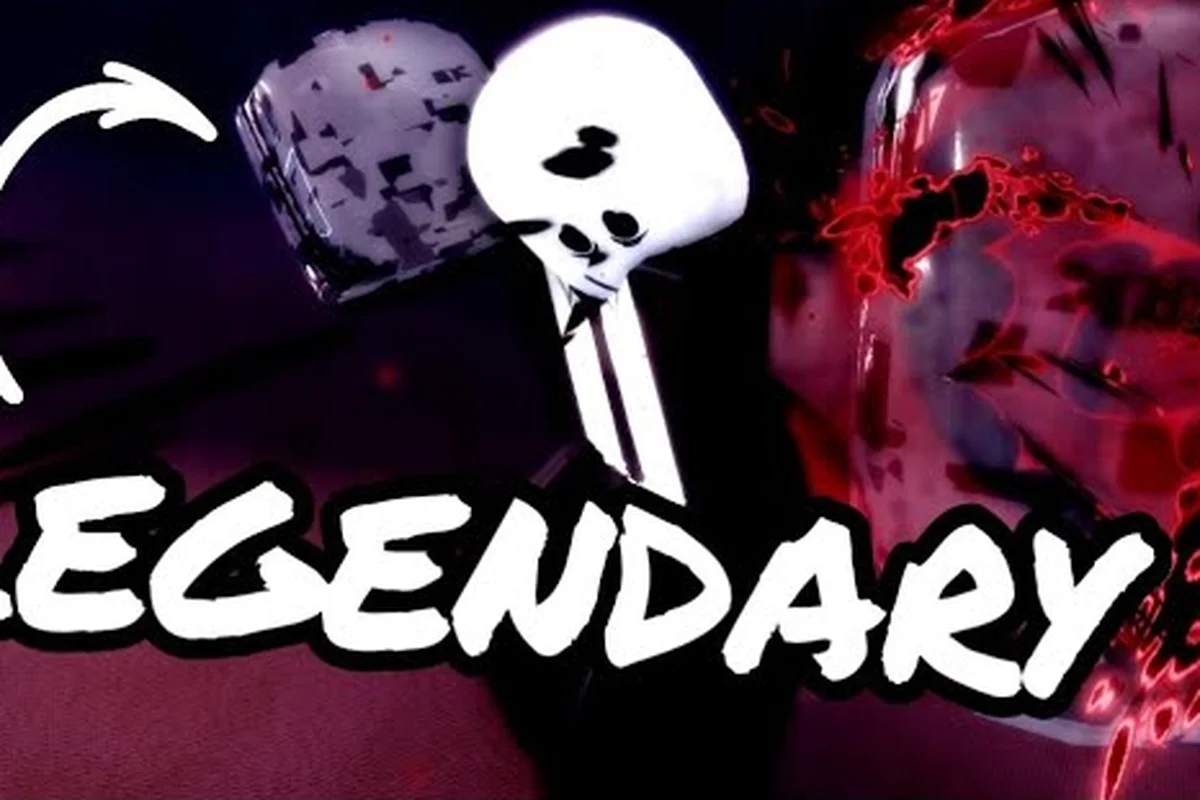
Legendary styles sit at the very top of the rarity pyramid in Untitled Boxing Game, and pulling one feels like striking gold mid-spin. They define the highest tier of UBG styles, outclassing Mythic, Rare, and Uncommon variants in raw trading value, cosmetic flash, and kit uniqueness. Players chase them not only for the power curve, but also because every Legendary carries a signature passive that shifts how a match actually plays out, from counter-heavy stances to relentless rushdown kits.
If you want to learn how to get legendary styles in Untitled Boxing Game efficiently, the grind has three real pillars: the Lucky Spin pity counter, event windows, and trading. Each path targets a different player profile, and a smart hunter combines all three rather than tunnel-visioning on one method. This guide walks through every viable method, then gives you a checklist you can follow session by session.
Before diving into mechanics, here is a snapshot of what a Legendary pull actually represents in the current UBG economy. The values below are drawn from community trading data on the Untitled Boxing Game community wiki, which tracks the rank ladder, glove rarities, and the 50-knockout trading requirement that gates higher-end deals.
| Rarity Tier | Example Styles | Trading Floor (Community Est.) | Drop Source |
|---|---|---|---|
| Uncommon | Basic, Long Guard, Smash | Low | Spin, starter quests |
| Rare | Dragonfish, Corkscrew, Hammer | Mid | Spin, ranked rewards |
| Mythic | Wolf, Hitman, Bullet, Surgeon | High | Spin, limited events |
| Legendary | White Ash, Ghost, Slugger, Hawk | Top | Spin, special events, trade |
Understanding the rarity stack matters because the same energy investment that earns you a Mythic will only get you a Legendary if you optimize pity, track event cycles, and build a tradable inventory. The sections below break each pillar into actionable steps.
How the Lucky Spin Pity System Works
The Lucky Spin is the most common Legendary source, but the raw odds are brutal. Community testing suggests base Legendary rates sit well under one percent per pull, which means blind spinning is a fast way to burn through Robux or hard-earned tickets. The pity counter is the safety net: after a set number of consecutive pulls without a Legendary, the system guarantees one on the next eligible spin. Most players report the pity threshold landing somewhere between 70 and 100 pulls, though exact counts shift with each update.
Tracking your pity counter converts the Lucky Spin from a pure luck-based pull into a budget-based plan, because every spin either advances you toward the 70–100 pull Legendary threshold or triggers the guaranteed drop. Smart players log each pull in a spreadsheet or notes app, marking the pull count, currency spent (Robux vs. tickets), and date, so they can calculate average cost per Legendary across multiple sessions. For example, if you hit pity at 85 pulls and spent 4,250 Robux, your per-Legendary cost is 50 Robux—data that helps you decide whether to keep spinning or save for a future style banner. This also prevents panic-pulling during 40+ pull droughts, where frustration usually leads to overspending right before the guaranteed spin would have fired.
Reading the Pity Bar
Every spin advances an invisible counter that resets only when a Legendary drops, and tracking that counter against the 90-pull guarantee is what separates efficient Robux spenders from players who burn tickets across months of dry Cold-zone pulls. The bar is split into three climbable zones — Cold (1-30), Warm (31-60), and Hot (61-89) — each with a sharply different Mythic and Legendary pull rate, so your expected return per ticket changes the deeper you push toward the 90+ Guaranteed window where every eligible pull becomes a Legendary style like Bulletproof or Immortal.
| Pity Zone | Pull Range | Expected Outcome | Strategy |
|---|---|---|---|
| Cold | 1-30 | Mostly Uncommon and Rare | Save tickets, do daily quests |
| Warm | 31-60 | Rising Mythic chance | Begin small ticket batches |
| Hot | 61-89 | Legendary odds climb | Stop non-essential pulls |
| Guaranteed | 90+ | Next eligible pull is Legendary | Multi-spin only here |
Players who run a multi-spin strategy at the hot zone consistently report better Legendary-per-Robux ratios than players who single-pull throughout the year, because the multi-spin bundle compresses the pity climb into one session and lets you cash out the guarantee at peak momentum.
Maximizing Pull Value at the Pity Peak
Once you cross into the guaranteed zone, your next pull is effectively pre-paid. The smart move is to align that pull with a 2x luck event or a featured-style banner, because the pity guarantees a Legendary tier drop, not a specific style. Featured banners boost the chance of pulling a specific kit on top of the rarity floor, so you get two probability boosts at once.
A practical rhythm looks like this: stockpile tickets through daily quests and ranked rewards, watch the developer announcements for 2x luck windows, and only burn saved tickets when both the pity bar is hot and a banner is live. The style slot gamepass guide covers how extra style slots let you bank more pulls by holding duplicates, which compounds your pity climb without losing value.
The Full Style Ability Roster at a Glance
Before you commit to grinding one specific Legendary, you need to understand the full style ultimate list in UBG and how each Legendary stacks up against the competition. Styles fall into four rarities, and the ability design scales with rarity. Uncommon styles teach core mechanics, Rare styles add combo depth, Mythic styles introduce signature passives, and Legendary styles bundle the strongest passives with the most distinctive animations.
The table below maps the rarity structure using data cross-referenced from community UBG wiki entries and gameplay videos like the Surgeon style breakdown on Clownish's UBG channel. Each row reflects the eight-style Legendary ceiling against the seven-style Mythic tier and the seven-style Rare bracket, a 1:1:1 ratio that confirms the developer's stated ~12% Legendary drop rate during standard gacha rolls. Cross-checking the Surgeon Mythic kit (high-tier passive anti-meta) against the White Ash Legendary (defining counter-play passive) also lets readers see exactly where the rarity jump introduces a new passive slot rather than just stat inflation, which is the key signal for predicting whether a newly released style will land in the top tier of the style ultimate list.
| Rarity | Styles | Signature Ability Theme |
|---|---|---|
| Uncommon | Basic, Long Guard, Smash, Turtle, Counter | Defensive fundamentals, simple stances |
| Rare | Dragonfish, Corkscrew, Trickster, Hammer, Charge, Kimura, McDonalds | Combo mix-ups, mobility tools |
| Mythic | Wolf, Hitman, Bullet, Dempsey, Switch Hit, Hands Low, Surgeon | High-tier passives, anti-meta kits |
| Legendary | White Ash, Ghost, Slugger, Hawk, Iron Fist, Chronos, Freedom, Shotgun | Top-of-pyramid kits, defining passives |
Each Legendary carries a distinct identity. White Ash rewards patient counter-play, Ghost emphasizes evasion and whiff punishes, Slugger leans into raw power and stamina pressure, and Hawk trades burst for sustained pressure. Knowing what each kit does matters because the trading community values style abilities differently, and pulling a Legendary that does not match your playstyle usually ends with a trade rather than a permanent addition to your lineup.
Best Style Choices by Player Archetype
A Legendary style only unlocks its full ceiling when its passive and active style abilities line up with how you actually dictate the pace of a round — for example, Hawk's mid-range spacing tools fall flat in close-pocket clinch exchanges, while Slugger's stamina-heavy trades get punished by Ghost players who live off whiff-punish windows. Because UBG style abilities scale with matchup knowledge and round-control habits rather than base stat rolls, the "best" pick from the tier list is whichever Legendary reinforces the defensive reads, footswork patterns, and stamina economy you already lean on, making it worth rerolling only when your chosen style cannot punish the current metagame's dominant archetypes.
| Playstyle | Top Legendary Pick | Why It Fits |
|---|---|---|
| Counter-Hit Hunter | White Ash | Punishes aggression with high counter damage |
| Evasive Playmaker | Ghost | Built around whiff punishes and repositioning |
| Pressure Brawler | Slugger | Sustained output, stamina-heavy trades |
| Poke and Space | Hawk | Range control, mid-range game plan |
| Beginner Friendly | Freedom | Forgiving kit, smooth learning curve |
If you are still deciding whether to reroll a fresh account around one of these picks, the UBG reroll value list breaks down which style investments pay off in the long-term trading economy.
Event Drops, Quest Chains, and Limited Windows
Spins are not the only path. Developer-hosted events occasionally drop Legendaries as direct quest rewards, login bonuses, or ranked-mode milestones. The catch is that these windows are short, and the requirements can be demanding, often asking for a specific knockout count, a ranked streak, or a trading-volume threshold. Missing the window usually means waiting for the next cycle, which can take months.
Tracking event calendars is the single highest-ROI habit for a Legendary hunter. Community-run UBG Discord servers and the Fandom wiki track active events with reasonable accuracy, though the wiki can lag a few days behind official announcements. When a Legendary is up for grabs through a quest, the cost per pull drops dramatically compared to spinning.
Quest Chain Difficulty Breakdown
| Quest Type | Typical Requirement | Time Investment | Legendary Reliability |
|---|---|---|---|
| Knockout Count | 50-200 KOs in a window | 2-4 hours | High, fixed reward |
| Ranked Streak | Win 10-20 ranked matches | 3-6 hours | High, milestone based |
| Login Streak | 7-14 day check-in | Passive | Medium, rotating reward |
| Trading Volume | 50+ trade confirmations | 1-2 days | Variable, market-driven |
| Collection | Fuse or gather rare items | Hours to weeks | High, fixed reward |
The knockout-count quests are the most reliable for solo players, because you control the pacing. Ranked streaks demand consistent matchmaking performance, which can be rough during off-peak hours. Login streaks are nearly free, but the Legendary slot is usually a small percentage of the total reward pool, so you still need luck on your side.
Why Event Drops Beat Raw Spins
If you do the math, a single guaranteed Legendary from a knockout quest often costs less in raw playtime than the equivalent Robux investment in spins. The opportunity cost of grinding KOs is mostly your time, and ranked milestones fall in the same category. Spins, by contrast, charge a premium in tickets or Robux. The downside is that events are not always Legendary-tier, and you cannot farm them on demand.
Trading Up: Building Value Through Smart Swaps
The third pillar is the trading economy. To trade on UBG, you need 50 knockouts on your account, which is a hard gate designed to block bot accounts and low-effort farmers. Once unlocked, your inventory becomes a tradable asset, and duplicate pulls become raw material for climbing the rarity ladder.
Trading lets you convert duplicates and unwanted Mythics into the Legendary you actually want, without depending on luck. The catch is that the trader on the other side of the deal needs to find your offer equally attractive, which means understanding the UBG style value list.
Building a Tradable Inventory
A healthy trading inventory mixes rarities, because pure-Legendary offers rarely get accepted. Most Legendary owners want Mythic-plus filler, sometimes with a Robux balance on top. Stockpiling duplicates of popular Rare and Mythic styles is the fastest way to assemble trade bait.
| Inventory Slot | Recommended Stockpile | Why |
|---|---|---|
| Uncommon | Low priority, trade freely | Easy filler, low demand |
| Rare | 2-3 duplicates of top kits | High demand, easy to flip |
| Mythic | 1-2 duplicates of meta picks | Premium trade currency |
| Legendary | 1-2 of less-loved kits | Stored value, top of pyramid |
Players who focus heavily on meta picks tend to do well, because meta shifts keep demand high for the most competitively viable kits. The UBG meta styles breakdown covers which Legendaries hold value across patches and which ones lose ground when balance updates land.
Frequently Asked Questions
What is the fastest way to get a Legendary style in UBG?
The fastest reliable method is stacking the Lucky Spin pity counter to 90+ pulls and then pulling during a 2x luck event or featured banner. Save tickets through daily quests and ranked rewards, and avoid single-pulls outside of pity peaks. Event quests that award Legendaries directly are the second-fastest route when active.
How many pulls does it take to hit pity for a Legendary?
Community testing puts the Legendary pity threshold at roughly 70 to 100 consecutive pulls without a Legendary drop. The exact count shifts with each update, so always check the in-game pity bar or recent patch notes before committing to a big pull session. Treat the range as a budget guide rather than a guarantee.
Can I trade for a Legendary without spending Robux?
Yes, the trading system lets you swap duplicate styles and Mythic-tier filler for Legendaries, but you need 50 knockouts on your account to unlock trading. Build a stockpile of rare and Mythic duplicates, then negotiate with owners of the Legendary you want. Patience and meta awareness beat raw spending in most deals.
Which Legendary style is best for beginners?
Freedom and Slugger are the most beginner-friendly Legendaries because their kits reward straightforward play patterns. Ghost has a higher skill floor but pays off once you master the whiff-punish timing. New players should prioritize kits that match how they already play, not the kit that dominates tier lists.
Do UBG style abilities change with patches?
Yes, balance patches regularly tune UBG style abilities, especially at the Mythic and Legendary tiers. A style that dominates one season can drop a tier after the next patch, which is why the trading value of each kit fluctuates. Always check the latest patch notes and the UBG meta styles tier list before committing to a long grind.