The untitled boxing game slow debuff is one of the most misunderstood mechanics in the entire Roblox scene, and players who cannot identify it correctly will lose ranked matches they should have won. This guide breaks down every trigger, the hit registration window that causes it, and the stamina interactions that determine how long the debuff actually lasts on your character. You will learn how the game's anti cheat layer detects suspicious timing, why M1 and M2 inputs create different debuff states, and what practical fixes actually work in live play. By the end, the term "slow debuff" will stop being a mystery and start being a tool you control in your favor.
What the Untitled Boxing Game Slow Debuff Actually Does
Core Effect on Movement and Stamina
The untitled boxing game slow debuff is a server-side status condition that drags your walk speed, dash speed, and attack windup down to roughly 60-70% of their normal values. According to community testing, it lasts between 2 and 4 seconds depending on how the debuff was applied and what style you currently have equipped. The debuff does not lock your stamina bar the way a stamina break does at 0%, but it does stop your stamina from regenerating while the effect is active, which is why aggressive players feel like they are running on fumes whenever the debuff lands.
Two visual tells confirm you are affected: your character model leans slightly forward, and a faint blue tint pulses around the edges of your screen for the duration. The debuff never deals damage directly, so your HP bar stays in whatever state it was in before the debuff triggered. What it does instead is buy the opponent a free window to chain M1s or land a stamina break before you can recover.
Why the Game Calls It a "Debuff" and Not a "Stun"
Many newcomers confuse the slow debuff with a stun, because both reduce your ability to act. A stun freezes your character in place and prevents all inputs; a slow debuff leaves inputs available but makes every action sluggish, including blocking, dodging, and stamina recovery. The distinction matters because you can still parry or counter from a slowed state, whereas a stunned character cannot. Community reports also suggest the slow debuff is partially transparent to anti cheat systems, which means scripted macros tend to trigger it more often than legitimate human input.
| Status Effect | Movement | Inputs Allowed | Stamina Regen | Typical Duration |
|---|---|---|---|---|
| Slow Debuff | 60-70% speed | Yes (delayed) | Paused | 2-4 seconds |
| Stun (Guard Break) | 0% | No | Paused | ~1 second |
| Stamina Break | Normal | Limited | Locked at 0% | ~2 seconds |
| Knockdown | 0% | No | Paused | ~2-3 seconds |
How It Differs From Regular Fatigue
Regular stamina fatigue simply drains your stamina bar until you cannot throw heavy attacks; it does not modify your movement speed. The untitled boxing game slow debuff, by contrast, acts on a separate condition called Slow Stack, which is tracked server-side independently of stamina. That separation is why you can have a full stamina bar and still feel sluggish, and why two players can be at identical stamina levels while one moves noticeably slower than the other.
Hit Registration Mechanics Behind the Debuff
The Hit Reg Window and How It Ties Into Slow Stacks
Untitled boxing game hit registration is the system that decides whether an M1, M2, or special input actually connects with an opponent. Each attack has a server-validated hit window measured in frames, and when an attack lands cleanly within that window, the game rolls a hidden check to determine whether a Slow Stack is added to the defender. According to community data compiled from mechanic breakdowns, the debuff is most likely to land on consecutive M1s that connect within 8-10 frames of each other, which is roughly the natural rhythm of a chained combo.
The reason this matters is that the slow debuff is not applied by a single attack; it is applied by a stack system. You need 2-3 hits within the hit reg window to actually see the debuff active, and the timer refreshes each time a new stack lands. Skilled players learn to bait these stacks by dodging at the right moment, because a successful dodge removes one stack of the debuff and resets the timer.
Anti Cheat Triggers That Cause False Slow Debuffs
The untitled boxing game anti cheat system watches input timing and click frequency to detect automated tools. When the anti cheat flags an account, one of the visible penalties is a soft slow debuff that is almost identical to the combat-induced version, except it does not tick down stacks the same way. Community reports suggest the anti cheat slow debuff lasts longer (up to 5 seconds) and is harder to remove through dodges, because it is tied to a server-side flag rather than the hit reg system.
| Trigger Type | Source | Stack Behavior | Removal Method |
|---|---|---|---|
| M1 Combo Stack | Combat hit reg | 1 stack per landed hit | Dodge or distance |
| M2 Punish Stack | Heavy attack connect | 1 stack + 2-sec refresh | Block or Perfect Dodge |
| Anti Cheat Flag | Automated input detection | Persistent for match | Match end only |
| Stamina Break Sync | 0% stamina lock | +1 stack on entry | Stamina regen to 25% |
The Interaction Between Stamina and Hit Reg
Untitled boxing game stamina plays a quiet but important role in hit reg outcomes. When your stamina is below 25%, your character enters a Stamina Break state that locks you out of heavy attacks for about two seconds. During that lockout, any incoming M1 that lands within the hit reg window is more likely to apply a Slow Stack, because the stamina break condition makes your character more vulnerable to follow-up pressure. This is why experienced players guard their stamina carefully and avoid spamming M2 when they are already below the 30% mark.
How Anti Cheat and Server Validation Produce the Debuff
Server-Side vs Client-Side Decisions
Untitled boxing game anti cheat runs primarily on the server, which means the decision to apply a slow debuff is made after the server confirms the hit actually landed. This is different from many Roblox fighting games, where the client tells the server "I hit you" and the server trusts the message. Because UBG validates each hit on the server tick, the slow debuff is one of the more reliable status effects in the game: if you see the blue screen tint, you actually have it, and there is no client-side exploit to deny it.
This server validation is also why ping spikes feel so punishing in UBG. If your connection drops a frame, the server might register an attack you never saw, and that "ghost hit" can apply a Slow Stack you had no chance to dodge. Players who struggle with the debuff often discover that their real problem is network consistency rather than gameplay technique.
Macro Detection Patterns
The anti cheat watches for two suspicious patterns: clicks faster than the engine's M1 cooldown allows, and clicks timed exactly to the server tick (roughly every 0.05 seconds). Both patterns trigger the persistent slow debuff mentioned earlier. Community testing suggests a human click interval of 90-120 milliseconds between M1s is safe, while anything below 60 milliseconds is flagged within 2-3 seconds. If you use a controller with turbo, you will almost certainly receive the debuff in every match, which is a quick way to climb down the ranked ladder instead of up it.
Why the Debuff Feels Worse in Some Styles
Different fighting styles in UBG modify your base movement speed, and a style with a higher base speed (such as White Ash or Deimos) will lose more absolute movement when the debuff is applied than a slower style. This is why a Deimos player can feel crippled by the debuff while a Brawler player barely notices it. If you main a fast style, learning to manage the slow debuff is essentially a prerequisite for climbing past the Journeyman rank, which is covered in detail in our ranked title guide.
Practical Fixes and Movement Preservation
Input Hygiene to Avoid Anti Cheat Slow Debuff
The single most effective fix is to maintain humanlike click timing. Keep your M1 spacing at 0.1-0.12 seconds between presses, and never mash the mouse button while waiting for an opening. If you have a high-DPI mouse, consider capping your click rate in the software so accidental double-clicks do not feed the anti cheat. Players who switched to a controller should disable any turbo or rapid-fire settings entirely, because even a single turbo press per match can flag the system.
A second hygiene fix is to avoid M1 chains longer than 5 hits. Past the 5th consecutive M1, the hit reg system starts adding Slow Stacks more aggressively, and the debuff timer refreshes. Ending your combo on an M2 or a special not only resets the chain but also gives the opponent a clean reset window, which is actually good for pacing the match in your favor.
Dodge Timing to Clear Slow Stacks
Dodging at the right moment clears one Slow Stack and resets the debuff timer. The optimal dodge window begins roughly 0.2 seconds after you see the blue tint appear and closes after about 0.5 seconds. Dodging too early wastes your iframes on nothing, while dodging too late means the debuff has already re-stacked. If you are using a style with short dodges, you may need to chain two dodges back-to-back to fully clear a 3-stack debuff.
| Action | Frames After Tint | Stack Cleared | Stamina Cost |
|---|---|---|---|
| Single Dodge | 12-30 | 1 stack | 8% |
| Double Dodge | 12-20, 30-45 | 2 stacks | 15% |
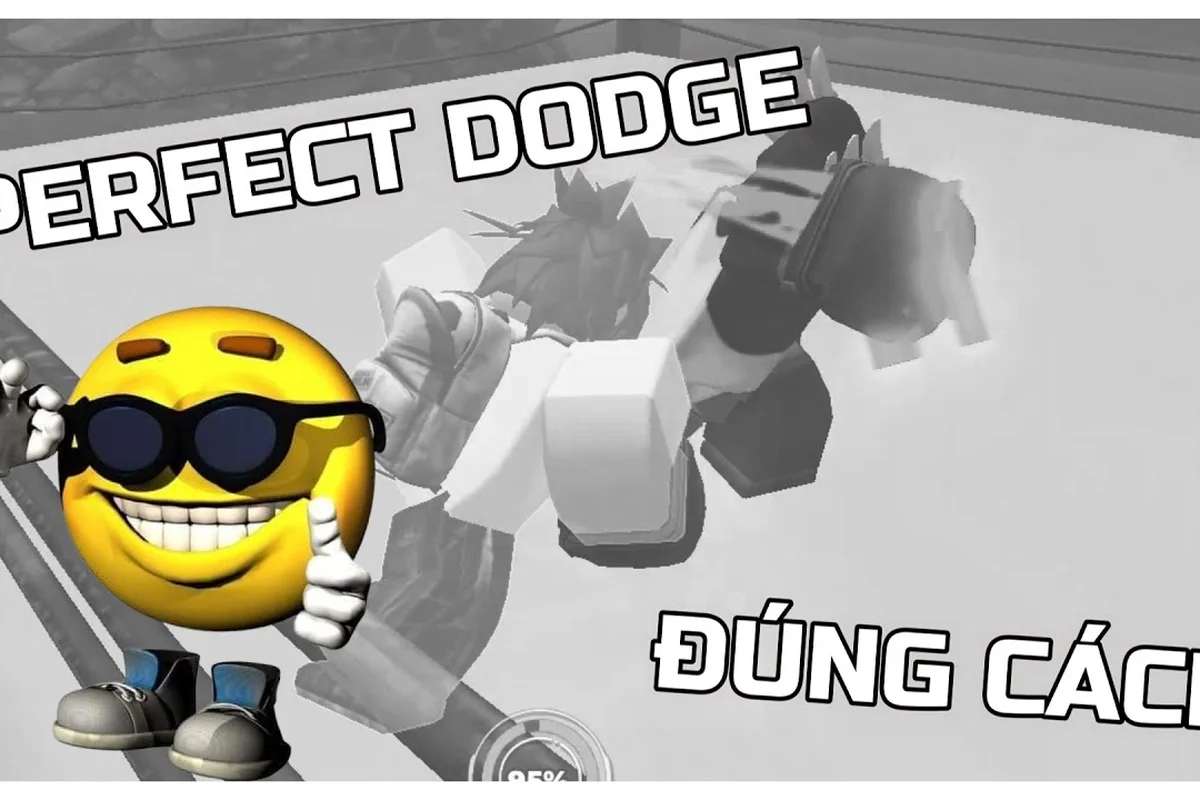
| Perfect Dodge | 8-15 | 2 stacks + refresh reset | 5% |
| Block (held) | 0-60 | 0 stacks | 2% per second |
Stamina Management to Prevent Synergy Stacks
Because stamina breaks below 25% amplify incoming slow debuff stacks, you should treat 30% stamina as your hard floor for M2 usage. If you drop below 30%, switch to single M1s and focus on regeneration, even if the opponent is pressuring you. Aggressive players who spend all their stamina on a single M2 punish often end up stuck in a slow debuff they cannot escape, and the round slips away in the following 5-8 seconds.
For a deeper breakdown of stamina thresholds and regen windows, our stamina and blocking guide walks through the exact percentages you need to memorize. Pairing that knowledge with the hit reg information above will dramatically reduce the frequency of debuff stacks in your matches.
How the Slow Debuff Changes Ranked Matchups
Opponent-Specific Considerations
Against fast opponents who run White Ash or Deimos styles, your goal is to apply 2 Slow Stacks quickly and then back off, because the debuff halves their effective threat range. Against slower, high-health opponents like Slugger users, the debuff is less impactful and you should focus on stamina breaks instead. The table below summarizes how to play around the debuff against the most common ranked styles.
| Opponent Style | Debuff Value | Recommended Action |
|---|---|---|
| White Ash | Very High | Apply 2 stacks, then poke |
| Deimos | Very High | Apply 2 stacks, control space |
| Slugger | Low | Stamina break focus instead |
| Phantom | High | Apply 1 stack, hold block |
| Brawler | Medium | Apply 2 stacks, then M2 punish |
Round-by-Round Stamina Budgeting
In a best-of-3 ranked format, the slow debuff becomes a resource you trade across rounds. Burning all your stamina in round 1 to apply a debuff is rarely worth it, because you will start round 2 with no Slow Stack pressure available. A common competitive pattern is to spend round 1 gathering information, take a debuff in round 2 as you learn the opponent's timing, and then close round 3 with a fully budgeted stack pressure. Community-ranked players report a roughly 15-20% win rate boost when they consciously plan the debuff as a resource rather than treating it as a random penalty.
Reading the Blue Tint in High-Ping Matches
If you are playing on 80+ ms ping, the blue tint will appear about 100-150 ms after the actual hit landed on the server. This delay means you cannot rely on the visual cue alone to time your dodge; you need to predict based on the opponent's attack animation. A useful rule of thumb is to dodge on the opponent's attack follow-through rather than on the tint itself, because the follow-through animation is the closest client-side approximation of the server tick. Players who master this prediction tend to clear debuff stacks even on unstable connections, which is one reason high-ping players can still climb on the leaderboard.
Frequently Asked Questions
What is the untitled boxing game slow debuff exactly?
The untitled boxing game slow debuff is a server-applied status condition that reduces your movement, attack speed, and stamina regeneration to roughly 60-70% of normal for 2-4 seconds. It is triggered by stacked hits from the hit registration system or by anti cheat flags, and it can be partially cleared by dodging at the right moment. Unlike a stun, you can still input actions, which means parries and counters remain possible from a slowed state.
How does untitled boxing game hit registration cause the slow debuff?
Untitled boxing game hit registration validates each M1, M2, and special input server-side, and on consecutive hits within roughly 8-10 frames, it adds a Slow Stack to the defender. Two or three stacks in a short window activate the visible debuff, which is why fast combo players apply it more often than defensive players. Dodges within a 0.2-0.5 second window after the stack lands can remove a stack and reset the debuff timer.
Can the untitled boxing game anti cheat falsely apply the slow debuff?
Yes. The untitled boxing game anti cheat system flags click intervals below about 60 milliseconds and inputs timed to the server tick, and one of the visible penalties is a persistent slow debuff that lasts up to 5 seconds. This flagged version is harder to clear through dodges and typically only resets at the end of the match. The safest way to avoid it is to keep your click spacing above 90 ms and disable any turbo or rapid-fire features on your input device.
How does untitled boxing game stamina interact with the slow debuff?
Untitled boxing game stamina below 25% triggers a Stamina Break state that amplifies incoming slow debuff stacks, which is why aggressive stamina spending can backfire. The hit reg system adds stacks more aggressively during the break lockout, so it is wise to treat 30% stamina as your M2 floor. Stamina regen to 25% or above fully exits the break state and removes the synergy bonus the debuff gains from it.
Are there ubg mechanics that fully prevent the slow debuff?
No ubg mechanics completely prevent the slow debuff, but several reduce its frequency and duration. Maintaining humanlike click timing keeps the anti cheat version away, while ending combos on an M2 or special prevents the combat version from stacking past 2 hits. Dodging within 0.2-0.5 seconds of the blue tint clears one stack and resets the timer, which is the most reliable in-match defense against the debuff.